


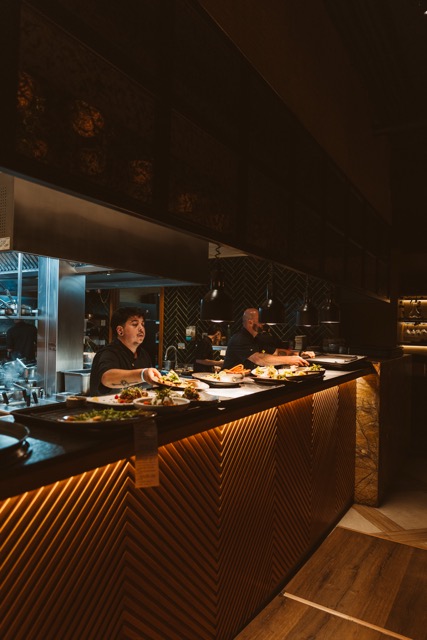
A beautiful lunch, celebratory dinner or rooftop evening should feel easy from the first drink to the final goodbye. Yet for guests managing food allergies, one question naturally comes first: can venues accommodate allergies without turning a special occasion into a source of worry?
Often, the answer is yes – but it depends on the allergy, the menu, the kitchen set-up and, above all, the quality of communication before and during your visit. The best hospitality is not about making broad promises. It is about listening carefully, sharing clear information and helping every guest make informed choices with confidence.
Can venues accommodate allergies safely?
A thoughtful venue can usually make meaningful adjustments for guests with allergies, particularly when it has advance notice and a team that understands the importance of accurate information. This may mean guiding a guest towards suitable dishes, adapting an element of a plate where practical, checking ingredients with the kitchen, or identifying where a dish cannot be changed safely.
There is, however, an essential distinction between accommodating a dietary preference and managing a serious allergy. Removing an ingredient from a finished dish is not always enough. Cross-contact can occur during preparation, storage, cooking or service, especially in busy kitchens working with nuts, gluten, dairy, sesame, shellfish and other common allergens.
No responsible restaurant should guarantee an allergen-free environment unless it genuinely operates as one. A candid conversation about risk is far more valuable than a reassuring answer that lacks detail. For a guest with a severe allergy, the most considerate response may occasionally be that a particular dish – or even a particular venue – is not the right choice on that day.
What makes an allergy-aware dining experience?
An allergy-aware experience begins long before food reaches the table. It is built through calm, consistent communication between the guest, reservations team, front-of-house staff and kitchen.
When booking, explain the allergy clearly and specifically. “Nut allergy” is more useful than “special dietary requirements”, while details such as anaphylaxis, coeliac disease or sensitivity to trace amounts help the venue understand the level of care required. If several people are dining together, it is still best for the person with the allergy to speak directly with the team where possible.
On arrival, mention the allergy again to your server, even if it was included in the booking notes. This is not repetitive or inconvenient. Services change, teams change, and a simple confirmation ensures the right information reaches the right people at the right moment.
A well-run venue should be able to explain which dishes are naturally suitable, which can be adapted and which carry a cross-contact risk. They may need a little time to check with the kitchen. That pause is usually a positive sign: it shows the team is verifying rather than guessing.
Clear ingredient knowledge matters
Menus are a useful starting point, but they are not the whole story. Garnishes, dressings, stocks, marinades, bread baskets and desserts can contain allergens not immediately obvious from a dish name. Recipes can also change with seasonal produce or supplier availability.
For this reason, ask about the complete dish rather than relying on assumptions. A salad, for example, may appear straightforward but include nuts in a dressing, dairy in a crumble or sesame in a finishing oil. Equally, a dish that sounds unsuitable may be adaptable when prepared from the beginning without one particular component.
The most reassuring answer is specific. Rather than simply hearing “that should be fine”, look for language such as “I will check the dressing and preparation method with the chef” or “this item is cooked in the same fryer as products containing gluten”. Detail allows you to decide what feels safe for you.
Kitchen procedures shape what is possible
The ability to accommodate allergies varies between venues and even between service periods. A relaxed breakfast café with made-to-order dishes may have more flexibility for certain requests than a fast-paced Saturday evening kitchen managing a full dining room. Conversely, a larger kitchen with documented procedures may be better equipped to manage particular allergens than a smaller operation.
Practical controls can include separate utensils and preparation areas, cleaned surfaces, clearly labelled ingredients, careful storage and direct communication between the chef and service team. These measures reduce risk, but their effectiveness depends on training, timing and the realities of a shared kitchen.
A fryer is one common example. Chips may contain no gluten in their ingredients, but if they are fried in oil also used for breaded items, they may not be suitable for someone with coeliac disease or a serious wheat allergy. The same principle applies to grills, chopping boards, pastry sections and ice-cream scoops.
Questions worth asking before you book
The goal is not to interrogate the team. It is to give them the information they need to look after you well. Before choosing a venue, ask whether it can cater for your specific allergy, whether the menu contains suitable options, and whether there is a risk of cross-contact in the kitchen.
For a more serious allergy, it is helpful to ask whether the team can note the requirement on the reservation and whether the chef can be made aware before your arrival. If you are arranging a group meal, wedding celebration or private event, ask early. Pre-agreed menus give the kitchen more time to plan and can make the occasion feel much more relaxed for everyone.
It is also sensible to ask about the drinks menu. Allergens are not limited to food. Cocktails may contain egg white, cream, nut-based liqueurs or ingredients prepared alongside them. A knowledgeable bar team will be able to guide guests towards appropriate choices or explain when a drink cannot be safely adapted.
How guests can help create a safer visit
Hospitality works best as a partnership. Give notice where you can, particularly for severe allergies or larger bookings. A venue may be able to prepare more confidently when it is not learning about a complex requirement during the busiest part of service.
Be precise, honest and open to alternatives. If a favourite dish is not suitable, a good team can often recommend something equally enjoyable rather than taking unnecessary risks. This is especially relevant when travelling, as product ranges, recipes and kitchen practices can differ from those at home.
It also helps to bring any medication you normally carry and continue following your usual medical advice. Restaurant staff can take great care, but they cannot replace an individual allergy management plan. For guests who use allergy cards, sharing one can be useful, particularly when language is a concern or when the allergy involves several ingredients.
A stylish occasion should still feel personal
For venues, accommodating allergies is not simply an operational task. It is part of making people feel welcome. Nobody wants to be the difficult guest at the table, or to feel that their health concern has disrupted a celebration. The right response is warm, discreet and practical: a team that listens, checks and offers clear choices without fuss.
At Breathe™, every social occasion is designed around connection, from artisan breakfasts and garden lunches to refined dinners and rooftop cocktails. That sense of connection includes taking guest requirements seriously, while being transparent about what each kitchen can safely prepare.
For diners, the best sign is not a blanket assurance. It is a venue that takes the time to understand your needs, speaks plainly about its processes and helps you choose with confidence. A little conversation before your table is set can leave far more room for the thing that matters most: enjoying good food and memorable company.


